The core of Sefer Ha-Razim is organized around the description of the ( shamayims h a m a y i m ), each populated by distinct ranks of angels:
While the cosmology is grand, the application of Sefer HaRazim is distinctly utilitarian. The text is a grimoire, a collection of recipes for achieving worldly ends. It includes prescriptions for healing the sick, subduing enemies, success in business, and even favorable outcomes in chariot racing. sefer harazim
Sefer Ha-Razim is notable for its "orthodox" framing of magic. By placing magical acts within a strictly monotheistic framework—where angels only act upon the will of God—the text attempted to reconcile practical sorcery with rabbinic law. While some rabbinic authorities remained critical of such practices, the text reflects a period where the boundaries between "religion" and "magic" were porous. The core of Sefer Ha-Razim is organized around
Sefer Ha-Razim: A Newly Recovered Book of Magic from the Talmudic Period . Jerusalem: American Academy of Jewish Research, 1966. (Hebrew title: ספר הרזים ) Sefer Ha-Razim is notable for its "orthodox" framing
The text is historically significant for three reasons: it preserves the transition from apocalyptic visionary literature to practical mysticism; it demonstrates the adaptability of Judaism in the face of Hellenistic culture (via the solar imagery); and it acts as a resistant force against the supernatural claims of early Christianity. As a "Book of Secrets," it reveals not just magical recipes, but the hidden anxieties and hopes of a Jewish community navigating a complex, multicultural world.


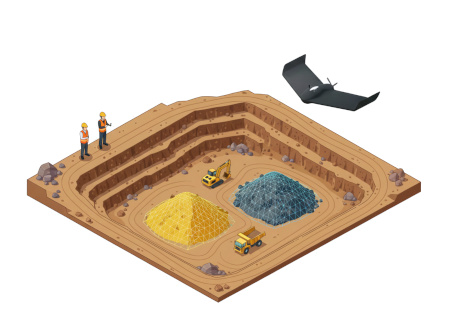








 WebODM