
HQPlayer represents a specific breed of audiophile pursuit: the belief that software algorithms can solve hardware limitations. It challenges the "black box" nature of the DAC, inviting the user to take control of the digital reconstruction process. Whether it is a placebo or a revelation remains a subject of heated debate, but for those who value granular control and the potential to extract every last drop of performance from their files, HQPlayer remains the gold standard.
Developed by Jussi Laako, HQPlayer (High Quality Player) is not just a media player; it is a sophisticated audio pipeline designed to redefine how digital audio is processed before it ever reaches your ears. To understand HQPlayer is to understand the difference between standard audio playback and advanced digital signal processing (DSP).
One of the reasons HQPlayer is considered "pro-level" software is its demanding hardware requirements. Unlike typical music players that run effortlessly on low-power laptops, HQPlayer requires significant CPU muscle—or better yet, GPU offloading.
To upsample a standard track to DSD512 in real-time, the computer must perform billions of calculations per second. This has led to a sub-niche of the hobby dedicated to building "HQPlayer Servers"—fanless PCs with powerful i7/i9 processors or specialized NVIDIA GPUs designed solely to run this math.



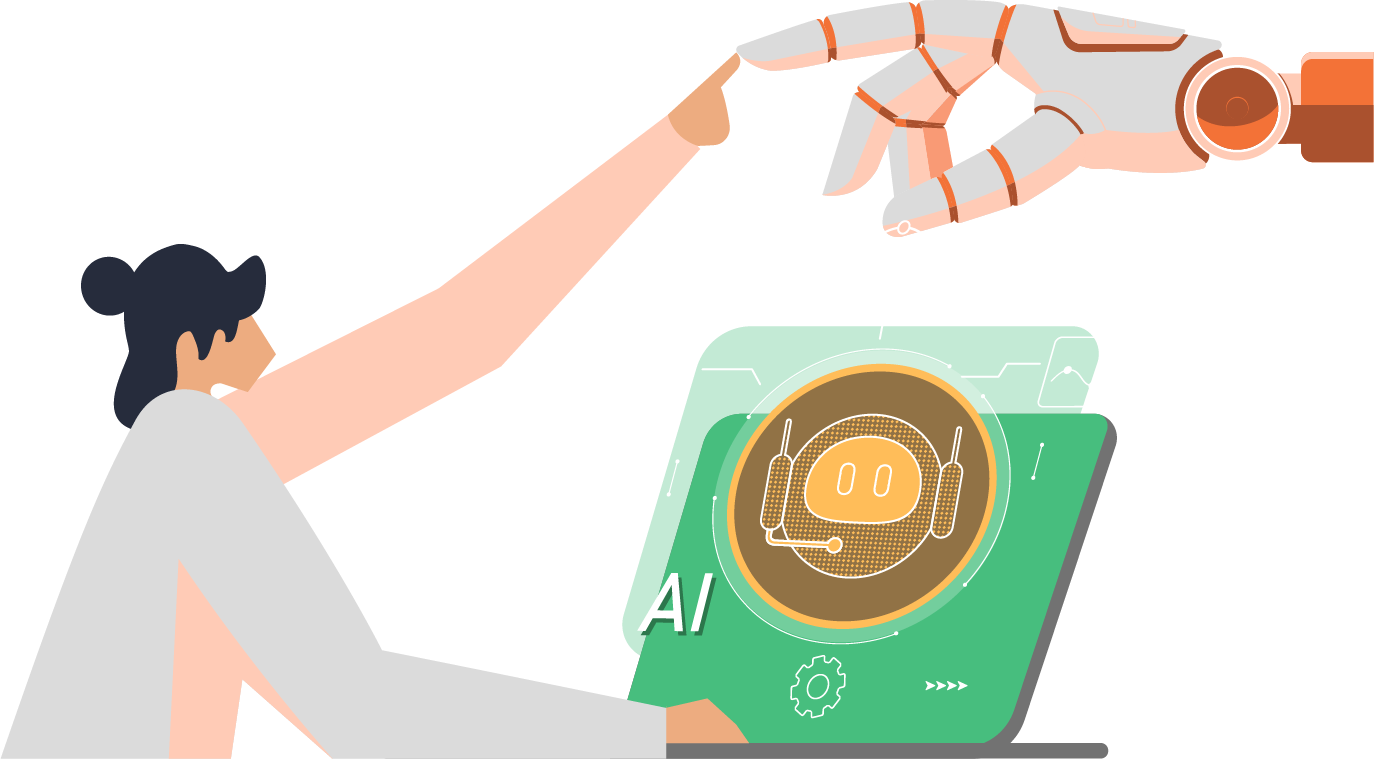
This comprehensive guide provides everything you need to get your organization ready for and successfully deploy Copilot.

SYDNEY, WEDNESDAY 20TH APRIL 2022 – We are proud to announce that Insentra has achieved the ISO 27001 Certification.
HQPlayer represents a specific breed of audiophile pursuit: the belief that software algorithms can solve hardware limitations. It challenges the "black box" nature of the DAC, inviting the user to take control of the digital reconstruction process. Whether it is a placebo or a revelation remains a subject of heated debate, but for those who value granular control and the potential to extract every last drop of performance from their files, HQPlayer remains the gold standard.
Developed by Jussi Laako, HQPlayer (High Quality Player) is not just a media player; it is a sophisticated audio pipeline designed to redefine how digital audio is processed before it ever reaches your ears. To understand HQPlayer is to understand the difference between standard audio playback and advanced digital signal processing (DSP). hqplayer
One of the reasons HQPlayer is considered "pro-level" software is its demanding hardware requirements. Unlike typical music players that run effortlessly on low-power laptops, HQPlayer requires significant CPU muscle—or better yet, GPU offloading. HQPlayer represents a specific breed of audiophile pursuit:
To upsample a standard track to DSD512 in real-time, the computer must perform billions of calculations per second. This has led to a sub-niche of the hobby dedicated to building "HQPlayer Servers"—fanless PCs with powerful i7/i9 processors or specialized NVIDIA GPUs designed solely to run this math. Developed by Jussi Laako, HQPlayer (High Quality Player)