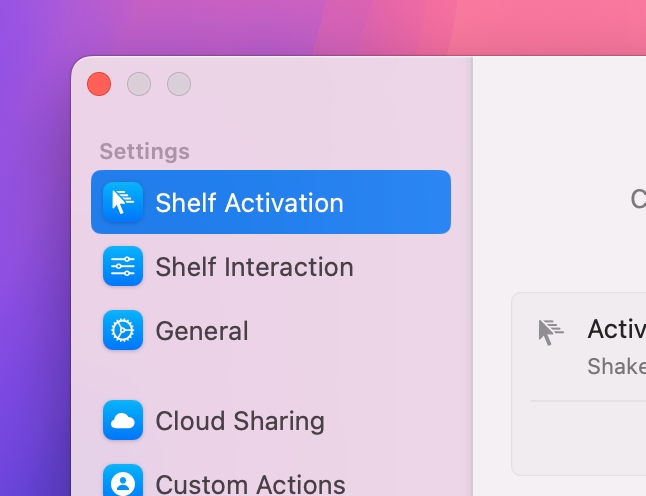
Name and color-code shelves, personalize behavior, and create
custom actions for repetitive tasks.
Instant Actions
Drop files on Instant Actions to run tasks immediately, with no
extra clicks.
Do more with every drop.
The shelf is more than a holding space. Share files, run actions,
upload to cloud services, and automate routine work.
Share in seconds
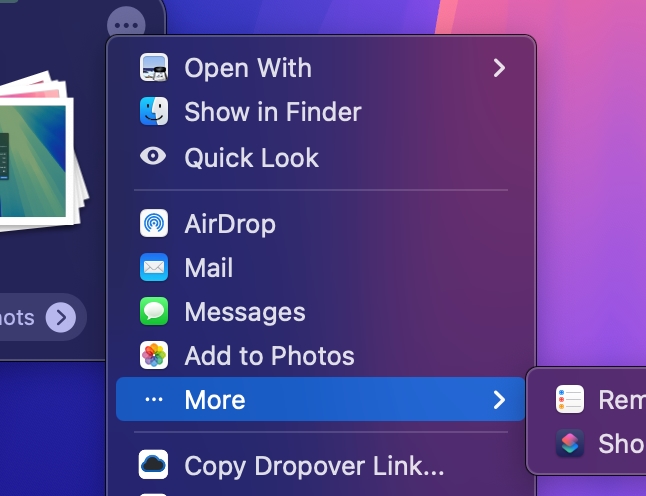
Send shelf items with Mail, Messages, AirDrop, or any app in the
macOS Share menu.
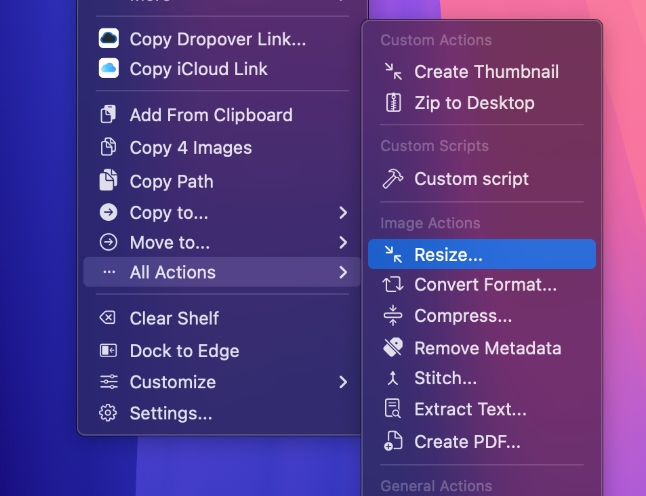
Built-in file actions
Resize images, extract text, create ZIP archives, and handle
common tasks without leaving the shelf.
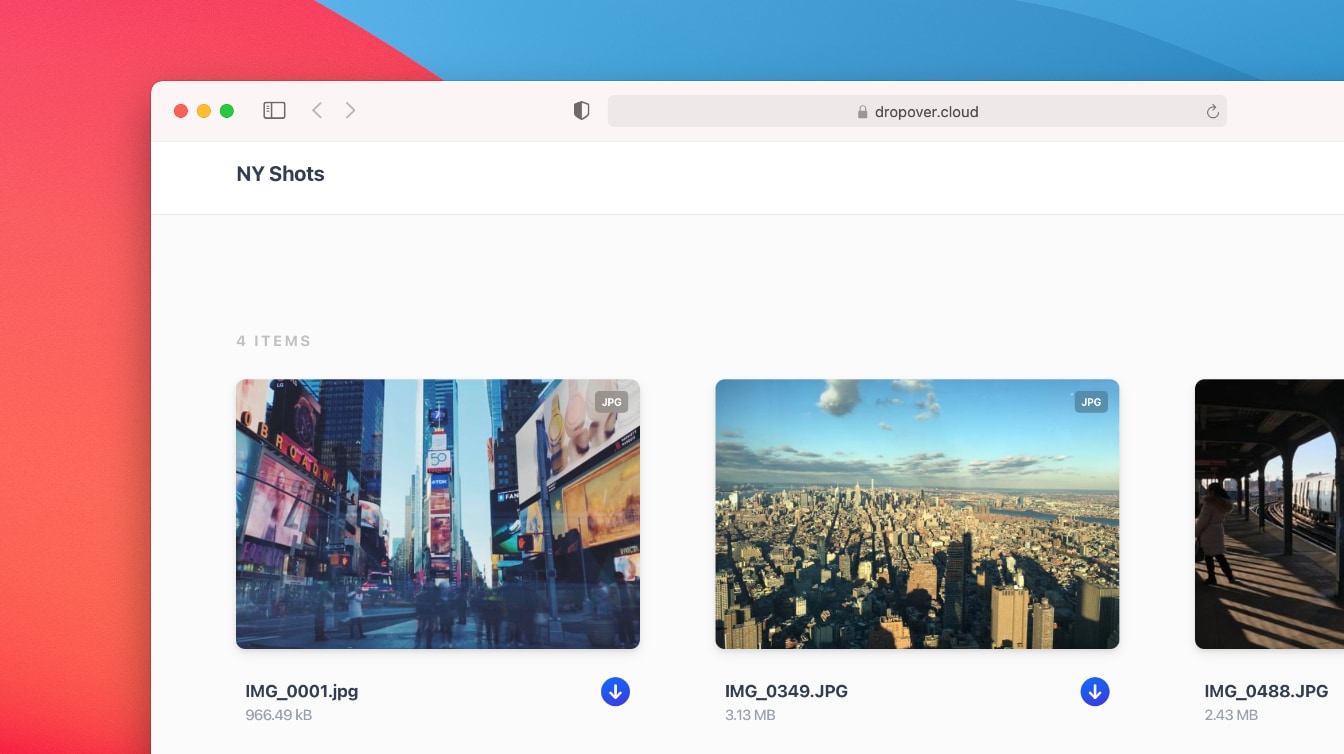
Dropover Cloud
Upload once. Share instantly.
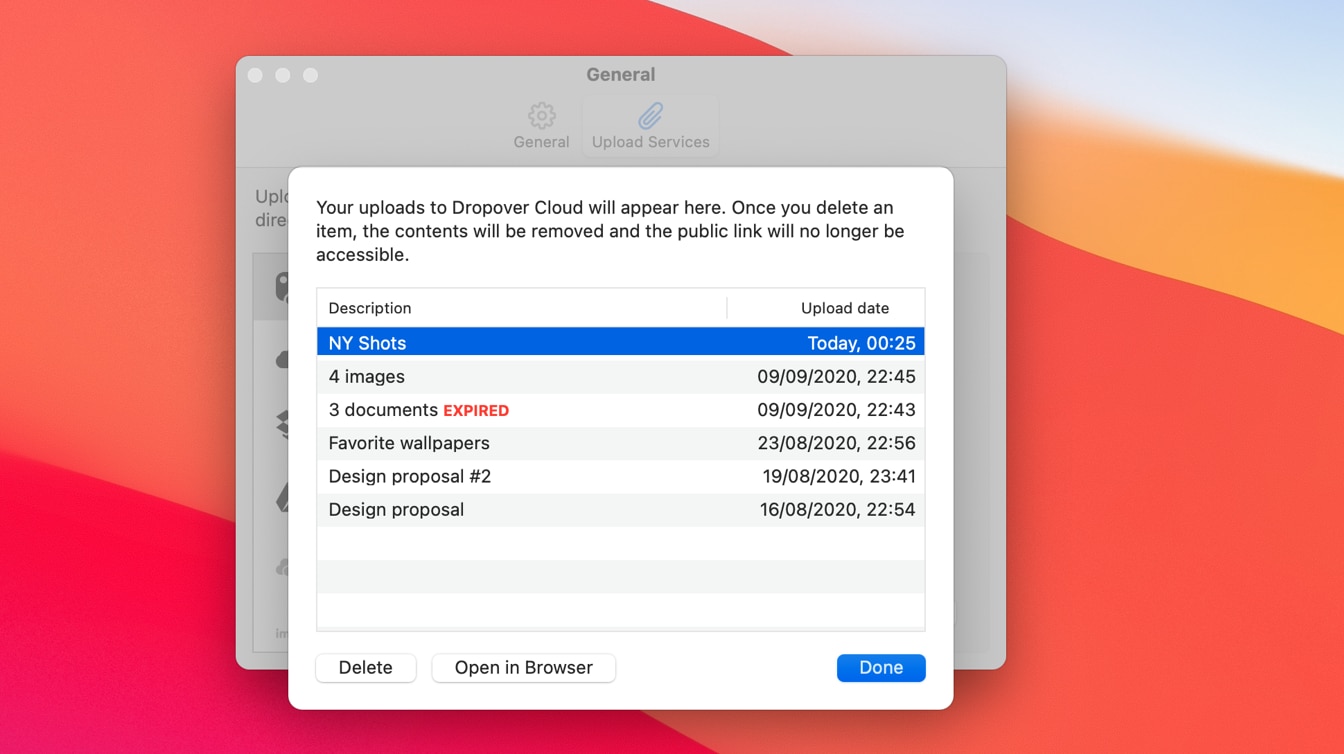
Cloud uploads
Upload files from the shelf with one click and copy a public link
instantly.
Use Dropover Cloud, or connect iCloud Drive, AWS S3, Google
Drive, Microsoft OneDrive, and Imgur.
Advanced controls
Use keyboard shortcuts, Command Bar, custom actions, and scripts
to move faster through repetitive work.
Alternatively, you can list the disk mappings using:
If the stars align (and the start sector was correct), you should see your VMFS volume listed with a UUID and a mount point (e.g., /vmfs/volumes/datastore1 ).
Every VMware administrator has that nightmare scenario. You wake up to a monitoring alert, or you’re performing maintenance on your ESXi 5 host, and suddenly, a datastore is missing. It’s not showing in the vSphere Client, and the VMs residing on it are grayed out and inaccessible.
identifying the specific device ID for your disk via the ESXi command line? AI can make mistakes, so double-check responses Copy Creating a public link... You can now share this thread with others Good response Bad response 11 sites Recovering a lost partition table with a VMFS datastore - Google You can use the KB 1002281 (Recovering a lost partition table on a VMFS volume) that explain the required steps: * Log in to the E... Google Recovering a lost partition table with a VMFS datastore - Google You can use the KB 1002281 (Recovering a lost partition table on a VMFS volume) that explain the required steps: * Log in to the E... Google Articles - VMFS Recovery Mar 9, 2026 —
Recover Vmfs Partition Esxi 5 Best
Alternatively, you can list the disk mappings using:
If the stars align (and the start sector was correct), you should see your VMFS volume listed with a UUID and a mount point (e.g., /vmfs/volumes/datastore1 ).
Every VMware administrator has that nightmare scenario. You wake up to a monitoring alert, or you’re performing maintenance on your ESXi 5 host, and suddenly, a datastore is missing. It’s not showing in the vSphere Client, and the VMs residing on it are grayed out and inaccessible.
identifying the specific device ID for your disk via the ESXi command line? AI can make mistakes, so double-check responses Copy Creating a public link... You can now share this thread with others Good response Bad response 11 sites Recovering a lost partition table with a VMFS datastore - Google You can use the KB 1002281 (Recovering a lost partition table on a VMFS volume) that explain the required steps: * Log in to the E... Google Recovering a lost partition table with a VMFS datastore - Google You can use the KB 1002281 (Recovering a lost partition table on a VMFS volume) that explain the required steps: * Log in to the E... Google Articles - VMFS Recovery Mar 9, 2026 —
Dropover Cloud
Instantly save your dragged content to the cloud and share the
link with anyone. Uploads are anonymous and do not require any
registration, and it's free.
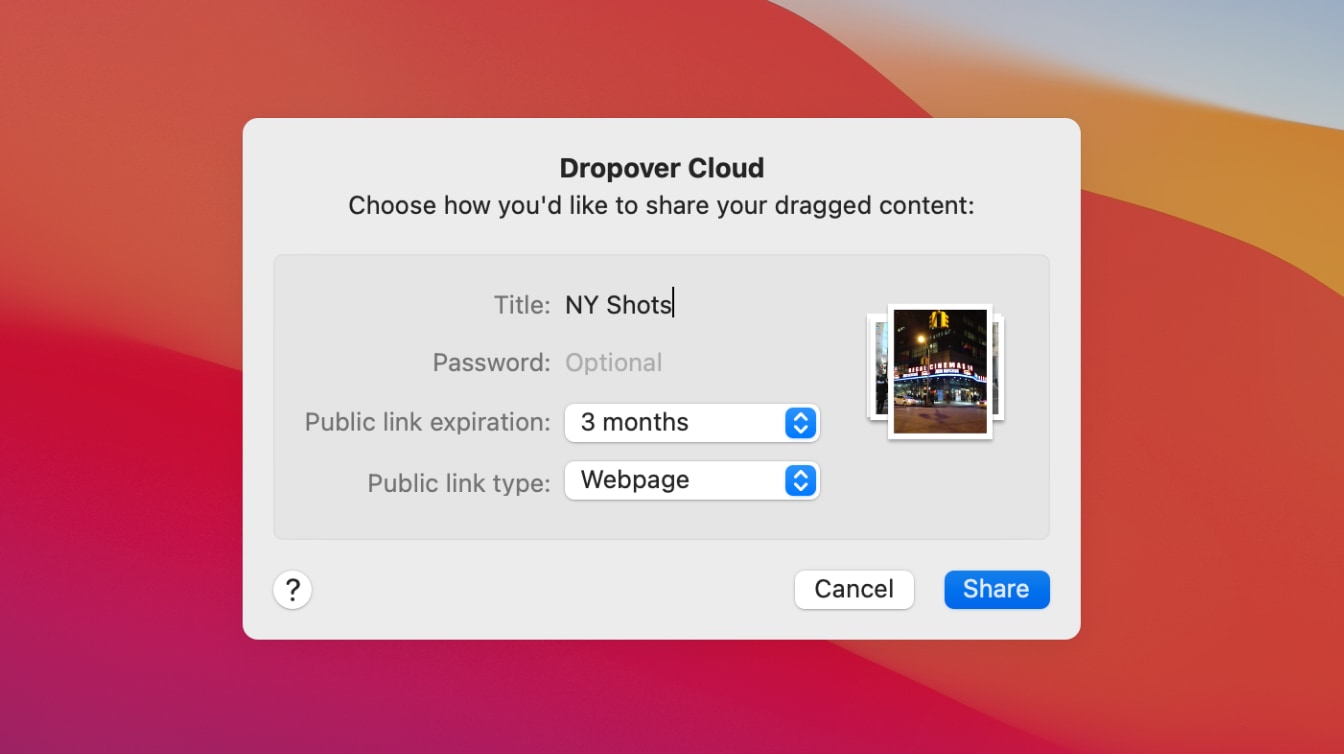
Customize uploads
Set a title, add a password, set a custom expiration date or
change the link type for your uploads.
No clutter
Shared pages stay clean, with no branding, tracking, or ads.